how-to
How to Make Rice Water for Skin: 3 Methods, Ranked
The soaked, boiled, and fermented methods compared head-to-head — exact ratios, timings, and which one to pick for your skin type and goals.
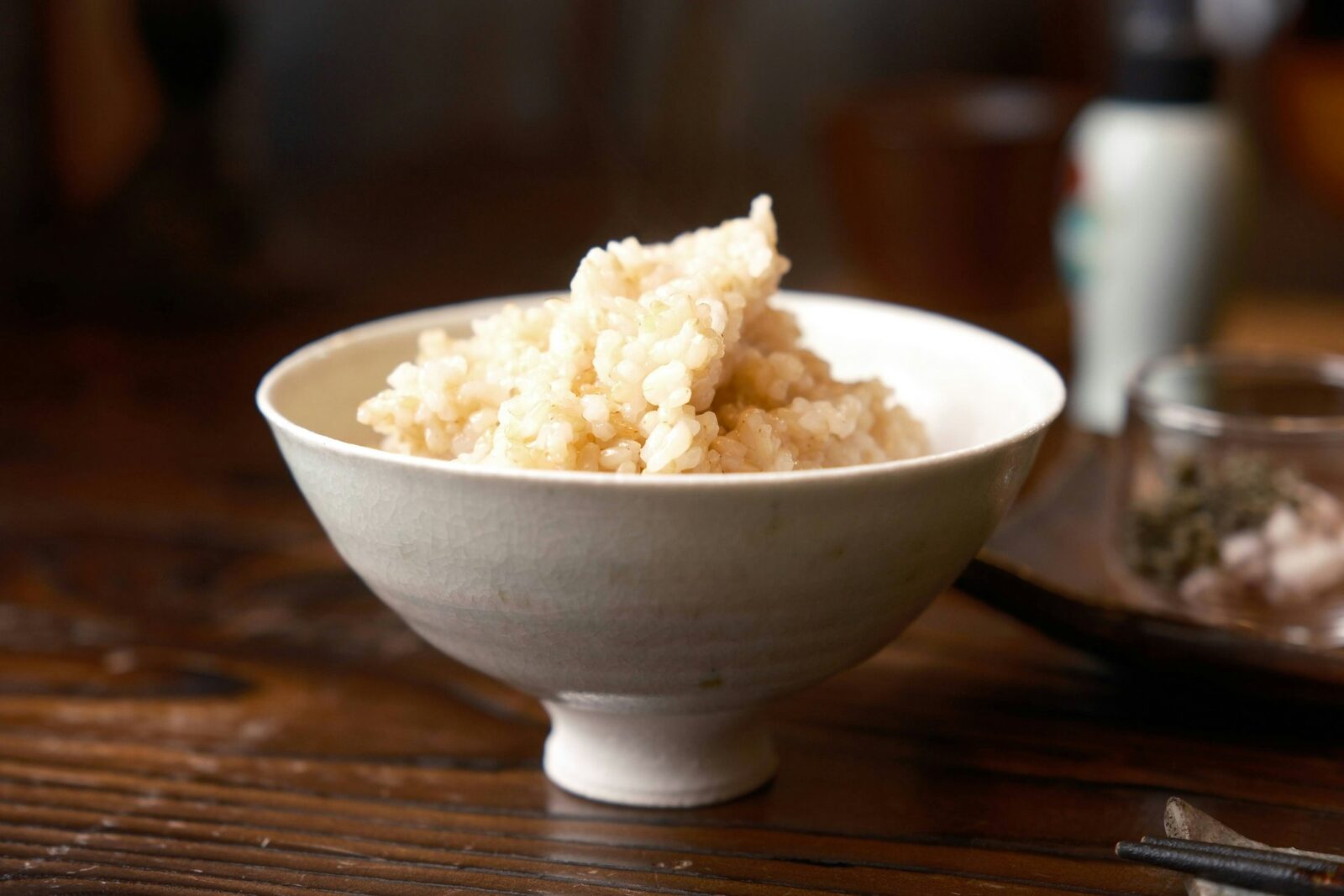
There are three ways to make rice water, and they differ in effort, in how starchy the result is, and in how comfortable we are recommending them. This guide gives the steps for each and is straight about the ranking: it reflects simplicity and hygiene, because no study has compared the three on skin.
Home-remedy note: these are kitchen methods for a traditional home preparation, not medical advice. Patch-test before using rice water on your face.
The three methods, at a glance
| Soaked | Boiled | Fermented | |
|---|---|---|---|
| Hands-on time | 5 minutes | 20 minutes | 5 minutes |
| Total time | 35 minutes | About 30 minutes | 1 to 2 days |
| Rice : water | ½ cup : 2 cups | ½ cup : 2–3 cups | ½ cup : 2 cups |
| Result | Thin, lightly cloudy | Thicker, starchier | Thin, sour-smelling |
| Food-safety fit | Simple | Needs quick cooling | Outside the rules we borrow |
| Our ranking | 1 | 2 | 3 |
Keep reading for the exact steps, or skim the ice-cube guide if you already know which you want and need the freezing steps. The batch calculator scales any of these to the rice you have and the size of your tray.
Before any method: rinse, and pour the first rinse away
Put the rice in a bowl, cover it with water, swirl for a few seconds and pour that water down the sink.
The reason is arsenic. Rice carries some, and a study of cooking methods found that “Rinse washing was effective at removing circa. 10% of the total and inorganic arsenic from basmati rice” [Raab et al. 2009]. What rinsing removes from the rice is now in the rinse water, so that’s the water not to keep. It also carries off dust and loose husk.
Method 1: The soaked method (ranked #1 for most people)
No heat, nothing to cool, and the least that can go wrong. Full recipe: soaked method.
You’ll need
- ½ cup plain white rice
- 2 cups cool water
- A clean bowl, a fine strainer and a clean glass jar
Steps
- Rinse the rice once and discard the rinse.
- Add 2 cups of fresh water to the rice.
- Leave it for 30 minutes at room temperature, swirling once or twice.
- Strain the liquid into the jar.
- Refrigerate or freeze straight away.
Storage
Chill within two hours [FDA, storing food safely]. Use a refrigerated jar within 48 hours or freeze it [UK Food Standards Agency]. These are borrowed food rules, explained in rice water shelf life.
When to pick this method
First batches, small batches, and making ice cubes. It’s also the one to use for a patch test, since it’s the plainest.
Method 2: The boiled method (highest starch content)
Simmering pulls much more starch out of the grain, so the liquid is thicker and leaves more of a film. Starch is the one rice ingredient with decent human evidence behind it: as a bath additive it helped irritated forearm skin recover [De Paepe et al. 2002]. That study wasn’t on faces or on boiled rice water, so take it as a reason this version is interesting, not proof that it works. Full recipe: boiled method.
You’ll need
- ½ cup plain white rice
- 2–3 cups water
- A small saucepan, a fine strainer and a clean glass jar
Steps
- Rinse the rice once and discard the rinse.
- Put the rice and 2 cups of water in the pan and bring to a gentle simmer.
- Simmer for 10–15 minutes, adding water if it runs low, until the rice is soft and the water is milky.
- Strain the liquid into the jar.
- Cool it quickly: stand the jar in a bowl of cold water for a few minutes.
- Refrigerate or freeze.
Storage
Boiling does not make it keep. Rice carries bacterial spores that “survived cooking and were capable of germination and outgrowth” [Gilbert et al. 1974], and warm starchy liquid is what they grow in. Cool it fast and have it in the fridge or freezer within two hours. Then the same 48-hour fridge rule applies.
When to pick this method
If you want the starchier, more film-forming version, for example for dry forearms or shins. If your face is oily or the film feels heavy, rinse it off after a few minutes or use the soaked version.
Method 3: The fermented method (most effort, least support)
This is the method with the biggest reputation and the least behind it. Full recipe, with its warnings: fermented method.
You’ll need
- A batch of soaked rice water (Method 1)
- A clean glass jar and a loose cover
Steps
- Make soaked rice water and strain it into a very clean jar.
- Cover loosely, so gas can escape and dust can’t get in.
- Leave at room temperature for 24–48 hours.
- Stop at 48 hours at the latest and move it to the freezer. A mildly sour smell, like plain yoghurt, is expected; it is not proof the batch is safe.
Troubleshooting
- Smells rotten, cheesy or like nail-polish remover: throw it out.
- Film, fuzz or coloured spots on the surface: throw it out, and wash the jar in very hot water.
- No change after 48 hours: your kitchen is cool. Don’t extend it; start again or skip this method.
Storage
We don’t give fermented rice water a date at any stage. Leaving it out for a day or two is the opposite of the two-hour rule, and we found no source that says how long the result keeps or that it is safe on skin. If you make it, freeze it as soon as it’s ready.
When to pick this method
Honestly, we’d pick one of the other two. The usual argument for it is that fermenting produces kojic acid and other brighteners. Kojic acid is “a natural metabolite produced by fungi” [Saeedi et al. 2019], made by particular moulds under controlled conditions, and we found no study showing a jar on a counter produces any. The studies people cite are of a commercial yeast filtrate, a different material. See fermented vs plain.
Skip it if your skin is sensitive, broken or rosacea-prone.
Compare head-to-head
| Soaked | Boiled | Fermented | |
|---|---|---|---|
| Closest evidence | One small tolerance study of a rice-water gel [Marto et al. 2018] | Rice-starch bath study [De Paepe et al. 2002] | None for the homemade version |
| Feel on skin | Light | Heavier film | Light, with a sour smell |
| Main risk | Keeping it too long | Slow cooling, keeping it too long | Uncontrolled microbes |
| Fridge rule we use | 48 hours | 48 hours | No date |
Which method for which skin concern
We used to have a table here matching methods to concerns such as dark spots and large pores. No study supports matching them that way, so it has gone. What we can say:
- Dry or easily irritated body skin: boiled is the version closest to the starch research.
- A first try, a patch test, or ice cubes: soaked.
- Rosacea-prone skin: read this first; if you go ahead, plain soaked rice water at room temperature, no ice.
- Dark spots: no method has evidence. See rice water for dark spots.
Good habits for any method
- Clean hands, clean jar, clean tray. Added water is how cosmetics pick up “harmful microorganisms” [FDA, microbes in cosmetics], and this is all water.
- Small batches. Make what you’ll freeze, or use within two days.
- Label everything with the date. The use-by helper does the sums.
- Patch test on your inner arm before your face, for a week or more [AAD, testing products].
- Keep it plain. Additions such as aloe, tea or essential oils bring their own risks and none of this guidance covers them.
Bottom line
Start with the soaked method: it’s the simplest and the easiest to keep clean. Try boiled if you want more starch. We recommend against fermenting: there is no evidence in its favour and a hygiene question against it. Whichever you choose, discard the first rinse, chill within two hours, and don’t expect the method to matter more than the evidence says it does, which is not much.
Frequently asked questions
What's the easiest way to make rice water?
The soaked method. Rinse half a cup of white rice and discard the rinse, soak the rice in two cups of fresh water for 30 minutes, strain, and refrigerate or freeze the liquid within two hours.
Do I have to use organic rice?
No. We found no study showing organic rice makes better or safer rice water for skin. Whatever rice you use, discard the first rinse: a study of rinse washing found it removed around 10% of the arsenic from basmati rice, which means that arsenic went into the rinse water.
Can I reuse the same rice to make rice water twice?
You can soak it again, and the second batch will be thinner because most of the loose surface starch has already come off. Cook and eat the rice afterwards as normal.
Should rice water smell bad?
Fresh soaked or boiled rice water smells faintly of rice, or of nothing. A sharp, sour or rotten smell in a batch you didn't ferment means throw it out. A neutral smell is not proof it is still good; go by how long it has been kept.
What's the best rice-to-water ratio?
Our recipes use one part rice to four parts water by volume, half a cup of rice to two cups of water. That is a convention, not a tested optimum; no study has compared ratios for skin.
Sources for this page
Each line is an entry in the evidence register. The quoted passage was found in the source, word for word, on November 11, 2026.
- Raab et al. 2009 · laboratory · tested: Rinsing and cooking of basmati, long-grain, white and brown rice
“Rinse washing was effective at removing circa. 10% of the total and inorganic arsenic from basmati rice, but was less effective for other rice types.”
Raab A, Baskaran C, Feldmann J, Meharg AA. Cooking rice in a high water to rice ratio reduces inorganic arsenic content. J Environ Monit. 2009;11(1):41-4. - De Paepe et al. 2002 · human · not stated in the abstract · tested: Rice starch added to bath water
“Exposure to rice-starch-containing bath water--twice daily for 15 min--led to a 20% improvement on the healing capacity of damaged skin.”
De Paepe K, Hachem JP, Vanpee E, Roseeuw D, Rogiers V. Effect of rice starch as a bath additive on the barrier function of healthy but SLS-damaged skin and skin of atopic patients. Acta Derm Venereol. 2002;82(3):184-6. - Marto et al. 2018 · in vitro + human · 12 volunteers, 28 days · tested: Rice water, built into a hydrogel that was 96% rice water
“However, no scientific evidence supports their role in skincare products.”
Marto J, Neves Â, Gonçalves LM, Pinto P, Almeida C, Simões S. Rice Water: A Traditional Ingredient with Anti-Aging Efficacy. Cosmetics. 2018;5(2):26. - Gilbert et al. 1974 · laboratory (food microbiology) · tested: Boiled rice stored at 4 to 55 °C
“The spores of B. cereus survived cooking and were capable of germination and outgrowth.”
Gilbert RJ, Stringer MF, Peace TC. The survival and growth of Bacillus cereus in boiled and fried rice in relation to outbreaks of food poisoning. J Hyg (Lond). 1974;73(3):433-44. - FDA, storing food safely · guidance · tested: U.S. regulator guidance for food
“Stick to the "two-hour rule" for leaving items needing refrigeration out at room temperature.”
U.S. Food and Drug Administration. Are You Storing Food Safely? - UK Food Standards Agency · guidance · tested: UK regulator guidance for food
“Eat leftovers within 48 hours or freeze them if you think this won't be possible.”
Food Standards Agency (UK). How to chill, freeze and defrost food safely. Published 18 December 2017. - Saeedi et al. 2019 · review · tested: Published literature on kojic acid
“Kojic acid (KA) is a natural metabolite produced by fungi that has the ability to inhibit tyrosinase activity in synthesis of melanin.”
Saeedi M, Eslamifar M, Khezri K. Kojic acid applications in cosmetic and pharmaceutical preparations. Biomed Pharmacother. 2019;110:582-593. - AAD, testing products · guidance · tested: Dermatologist guidance for the public
“Apply the product to a test spot twice daily for seven to 10 days.”
American Academy of Dermatology. How to test skin care products. - FDA, microbes in cosmetics · guidance · tested: U.S. regulator guidance
“Don't add water or saliva to cosmetic products, such as mascara. You may be adding harmful microorganisms.”
U.S. Food and Drug Administration. Microbiological Safety and Cosmetics.