Recipes
Make the thing, exactly.
Three methods, with exact ratios, equipment lists and storage guidance tied to sources. Scale any of them with the batch calculator, and date your batch with the use-by helper.
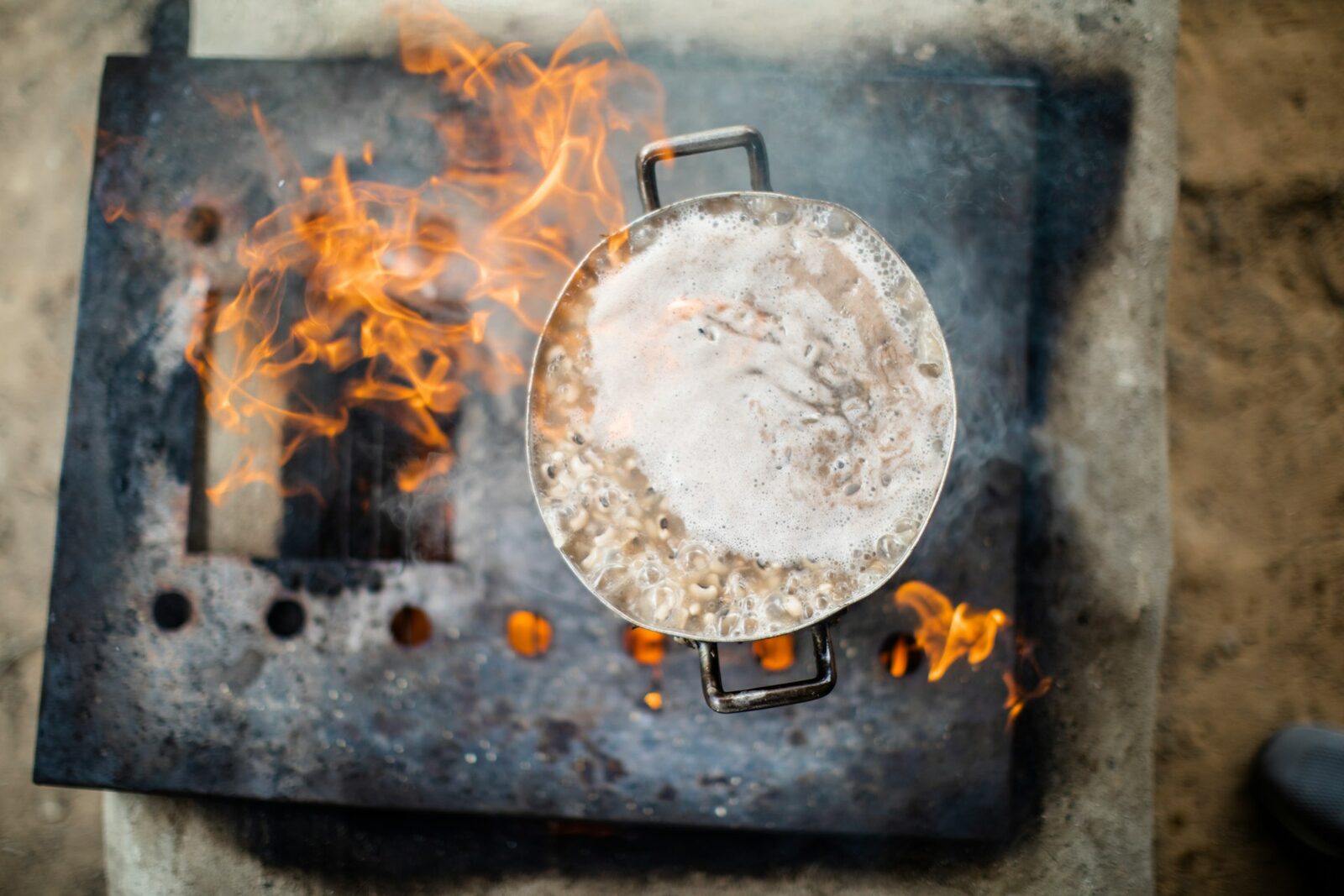
Rice Water — On-Stove (Boiled) Method
The starch-rich version. Simmering pulls more starch from the grain than soaking does, and starch is the rice ingredient with the best human skin research, from a bath-additive study on forearms.
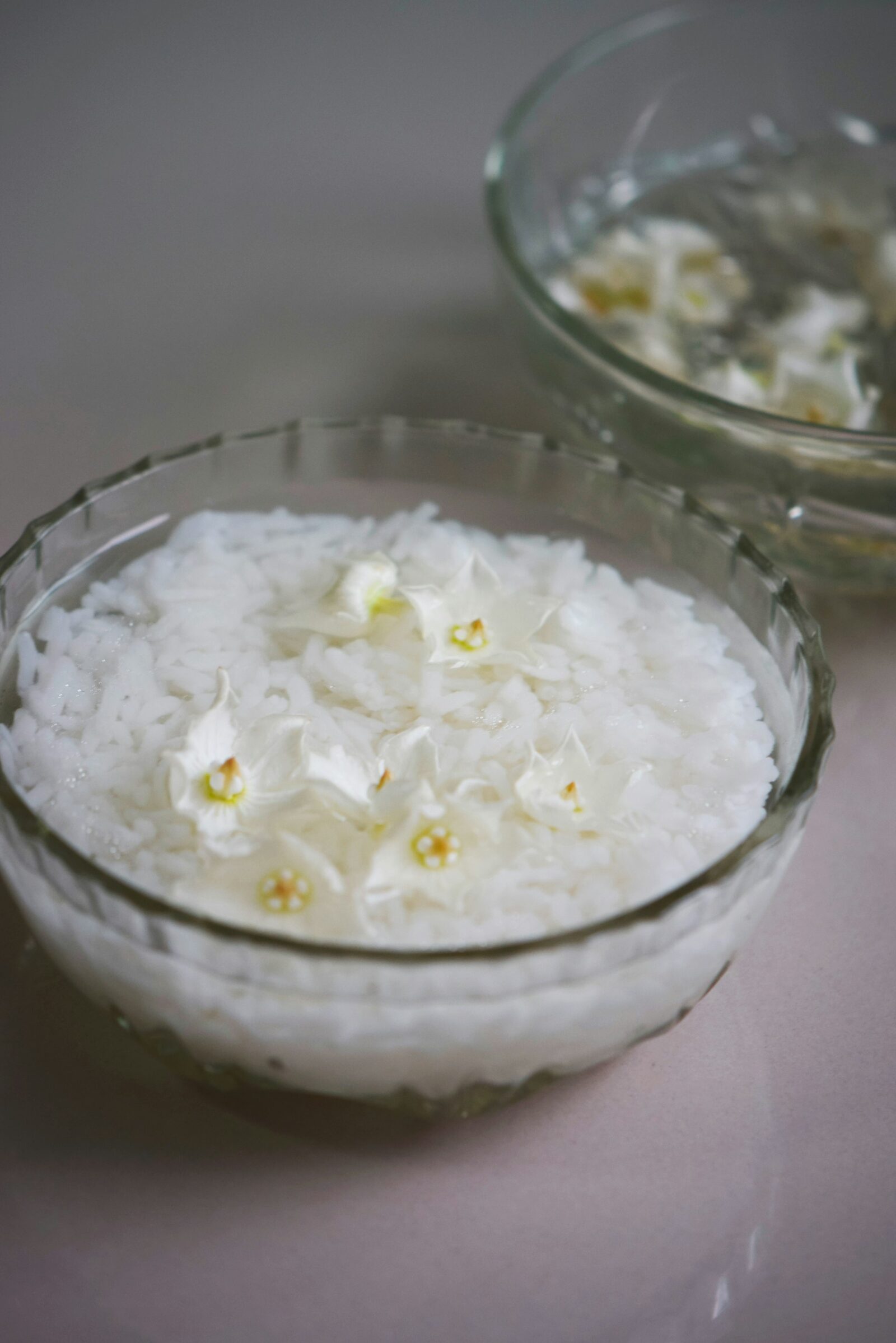
Rice Water — Soaked Method
The beginner-friendly, no-cook rice water preparation. Ready in 35 minutes. The simplest method to keep clean, and the one to use for a patch test or for ice cubes.
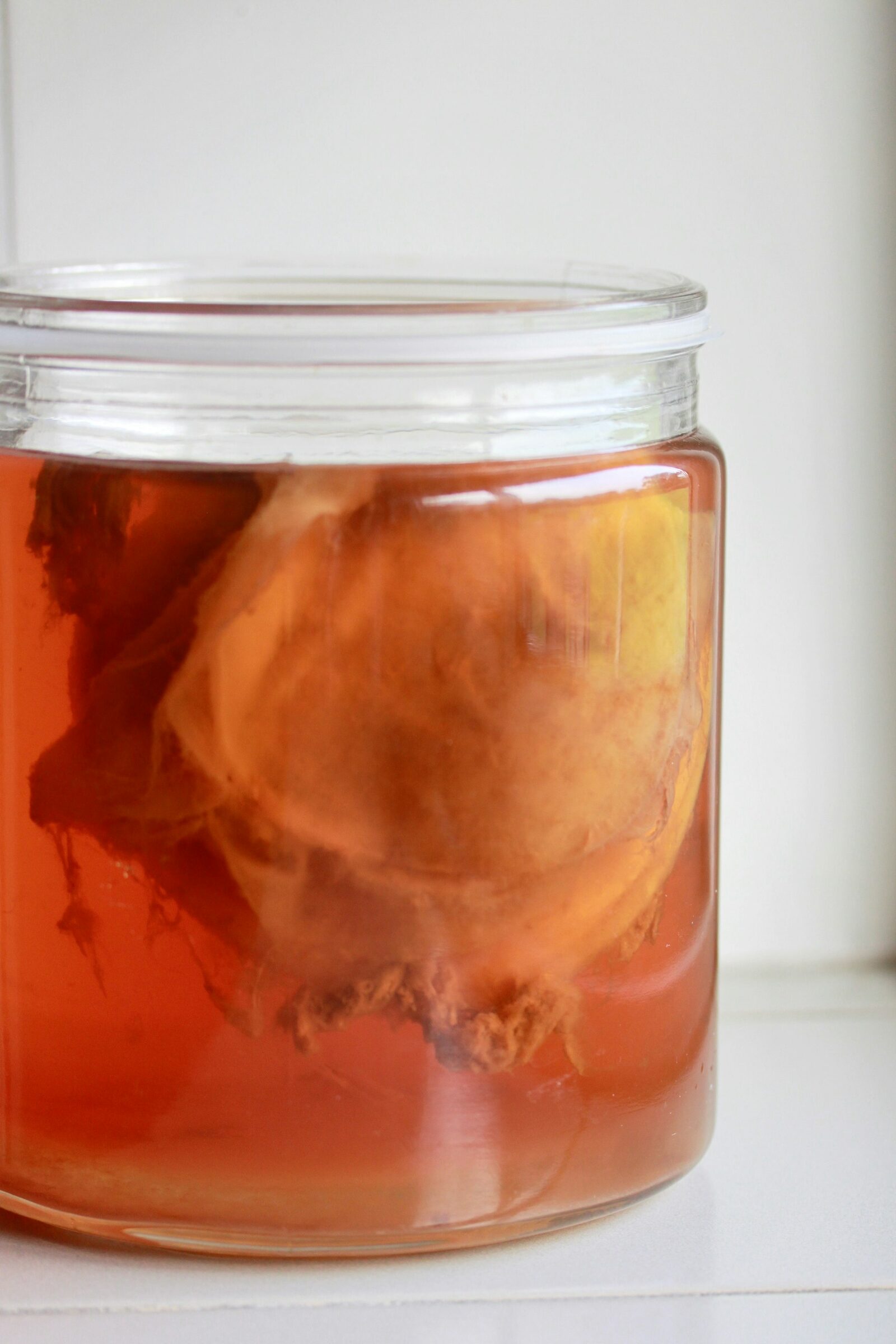
Rice Water — Fermented Method
The traditional sour version, with its caveats up front: no study has tested home-fermented rice water on skin, it sits outside food-safety storage rules, and it is not a homemade Pitera. A careful method for those who want to try it anyway.
What all three have in common
- The same ratio. Half a cup of white rice to two cups of water gives about two cups of rice water, or about sixteen two-tablespoon ice cubes.
- Discard the first rinse. Rinsing moves some of the arsenic rice carries into the water, so the first rinse is poured away and the rice water is made from fresh water. The source is in the evidence register.
- Chill within two hours. No one has tested a shelf life for homemade rice water. We borrow food-safety rules: into the fridge or freezer within two hours, and 48 hours at most in the fridge. See contamination and storage.
- Patch test first. A small spot on the inner arm, twice a day, for a week or more, before it goes on your face. The method is on the safety page.
Which one to make
Start with soaked: nothing is heated, and it is the easiest to keep clean. Boiled is starchier and is the closest home preparation to the one piece of human research on rice starch and skin. Fermented is the traditional sour version; no study has tested it on skin, and it sits outside the storage rules, so its recipe carries its warnings first. The three are compared in how to make rice water.